

Youth LEAD at The Youth Dialogue to Shape the Future of Education and Learning
The Asia and the Pacific region is often described as the most diverse region in the world, and that diversity is deeply reflected in its education systems. Spanning vast geographic, cultural, linguistic, and socio-economic contexts, the region includes some of the world’s largest and most advanced education systems alongside those where learners still struggle to access basic, quality education. From highly digitalized learning classrooms, to remote schools with limited or no connectivity, this diversity creates opportunities for new ideas and innovations, but it also highlights persistent gaps and inequalities that must be addressed.
In recent years, progress toward Sustainable Development Goal 4: Quality Education has been increasingly challenged by a range of disruptions and growing instability. The lasting impacts of the pandemic, accelerating climate change, rapid digital transformation, including the rise of artificial intelligence (AI), and shifting geopolitical dynamics are placing unprecedented strain on education systems. At the same time, economic pressures are tightening financing for education, as tighter public budgets mean governments have to prioritize. Inadequate investment in education threatens global progress towards sustainable development.
These disruptions have not only widened existing disparities but also exposed how vulnerable many education systems are, especially if they were not designed to withstand such shocks. This makes it more urgent than ever to strengthen the resilience of education systems,ensuring they are inclusive, adaptable, and future-ready, and better support efforts to accelerate progress towards SDG 4, and protect the right to education.
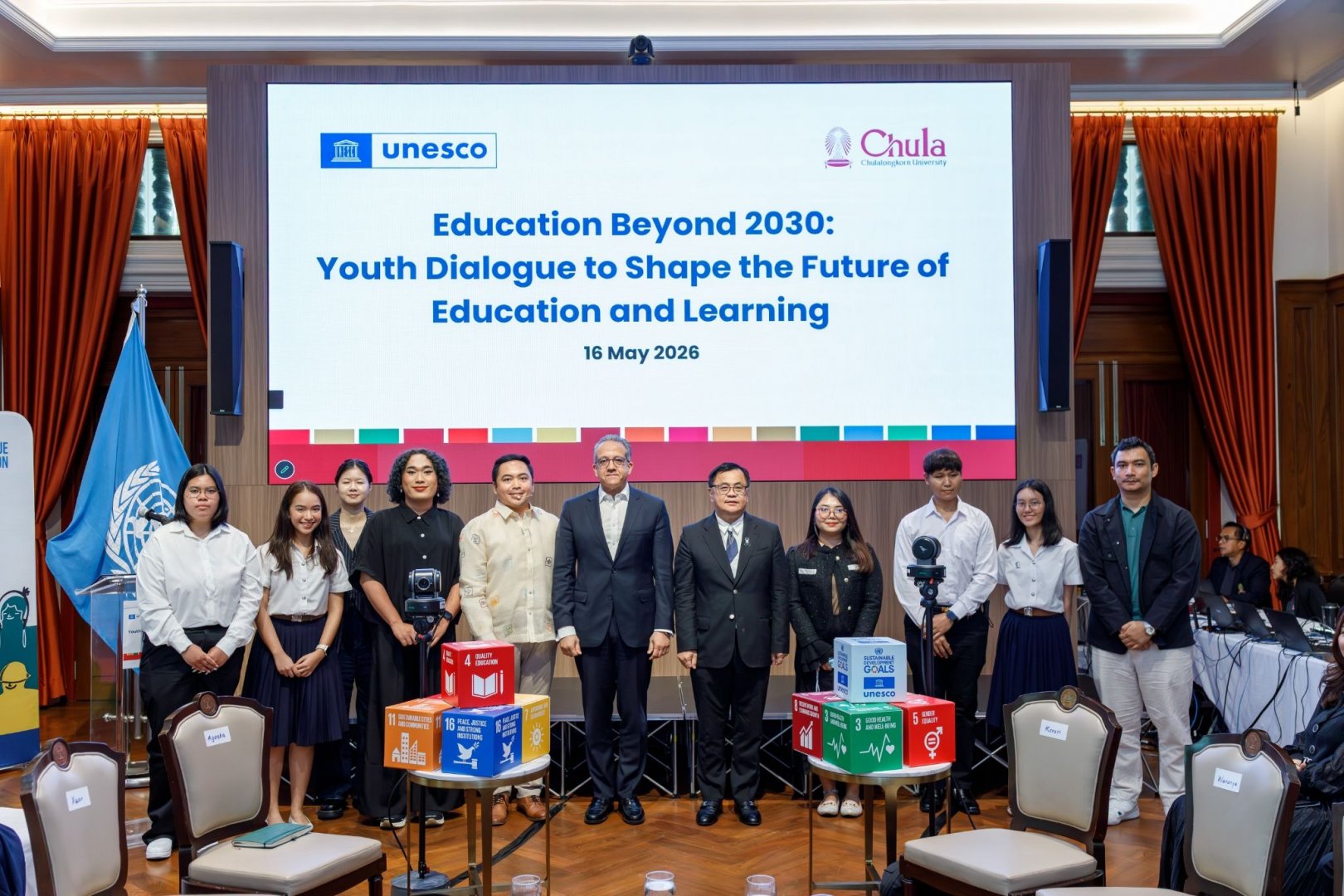
Photo credit: UNESCO/ichanphoto
Responding to this need, The Youth Dialogue to Shape the Future of Education and Learning, marking the launch of the Asia-Pacific Youth Dialogue on Post-2030 Education, is organized under the patronage of UNESCO Director General. The dialogue also serves as the first regional consultation on Post-2030 Education, launching the series of youth-led consultations that will result in the Post-2030 Youth Education and Learning Agenda and contribute to the global process.
Youth LEAD, represented by our Program Officer, was honored to speak at this event. She spoke about the importance of teachers, governments, or other partners working more effectively starting from positioning themselves as an ally for young people, which requires key education stakeholders to recognize that young people may have less power than them in a situation where their voices matter most.
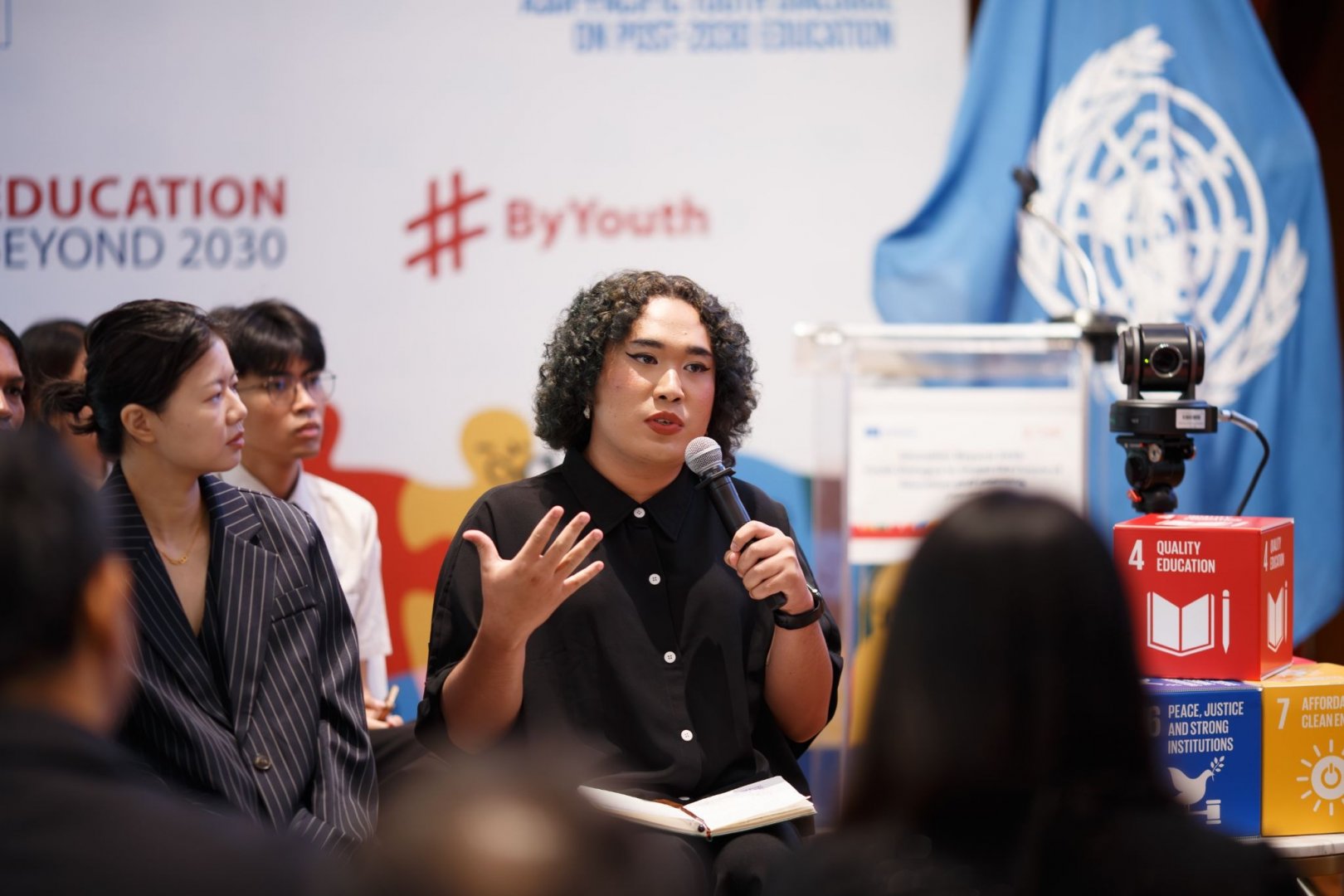
Photo credit: UNESCO/ichanphoto
She also made the case of building an alliance, where one example of a successful alliance that Youth LEAD is a part of is called Seven Alliance, a consortium of 7 regional networks of key populations and people with HIV in Asia and the Pacific, and Youth LEAD always manage to include youth-representation in every multi-partner dialogue (including government. It’s successful because young people in the consortium have equal power when it comes to decision-making processes. This is an important approach where young people’s needs are seen both as equal to others and unique, that needs affirmative action and support.
She closed her points with a statement: Recognizing the power imbalance and unlearning it before making the change happen is a starting point to create a sustainable change together with young people in the driving seat, and not as a token that could get spent very fast.
Sharing the stage with students from Chulalongkorn University, Y-Peer Asia Pacific, SDG4 Youth & Student Network, and sitting along with Mr Khaled El-Enany, UNESCO’s Director General, was an extraordinary for Youth LEAD, to move forward ensuring youth leadership in creating an education system that is safe for every young person.
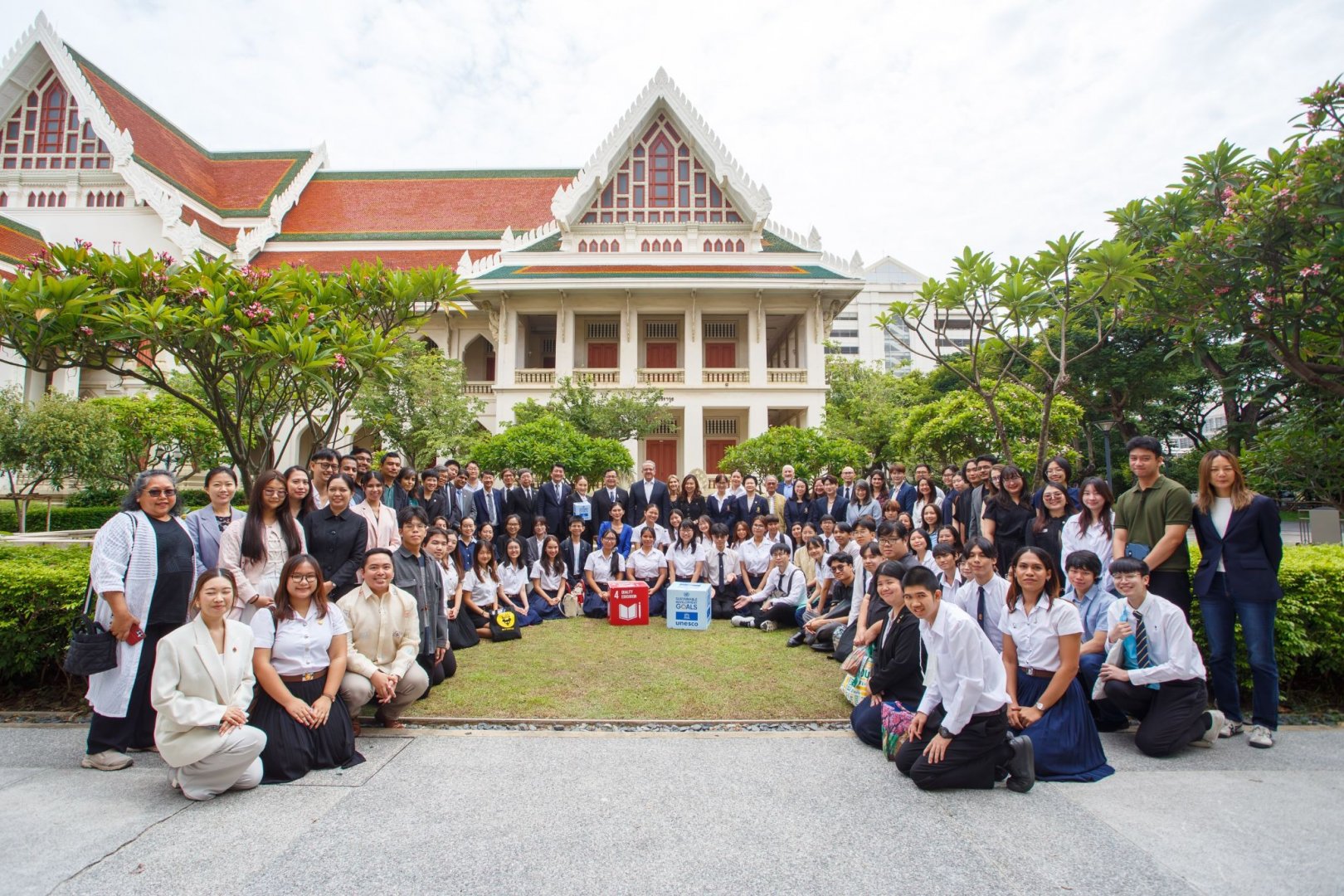
Photo credit: UNESCO/ichanphoto
Access Youth LEAD statement for this event below.