

Youth LEAD Brings the Voices of Young Key Populations to the United Nations High-Level Meeting on HIV/AIDS 2026
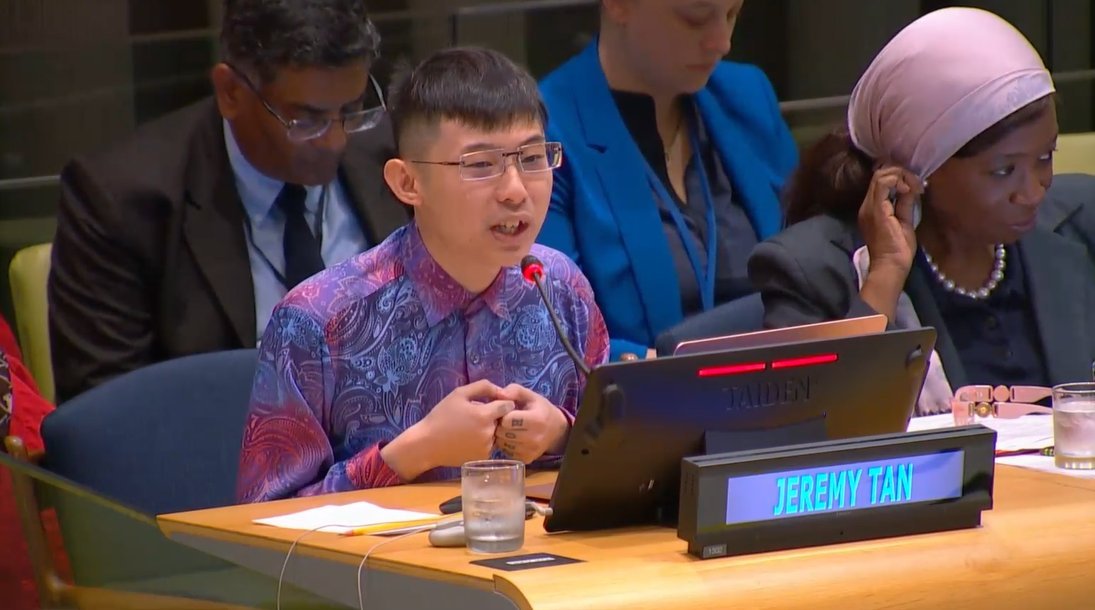
New York, 22–23 June 2026. Youth LEAD Regional Coordinator, Mr. Tan Fok Jun (Jeremy), participated in the United Nations High-Level Meeting (HLM) on HIV/AIDS 2026 and served as a panelist at Thematic Panel 3: Community Leadership – Driving an Inclusive and Sustainable HIV Response.
Convened by the United Nations General Assembly, the High-Level Meeting on HIV/AIDS is the highest global political platform for reviewing progress in the HIV response and shaping international commitments towards ending AIDS as a public health threat by 2030. The meeting brought together Heads of State, government representatives, United Nations agencies, civil society organizations, communities, and development partners to discuss priorities for the next phase of the global HIV response.
Representing Youth LEAD and the voices of young key populations across Asia and the Pacific, Jeremy joined global leaders and community representatives in highlighting the indispensable role of community leadership in achieving sustainable and equitable HIV outcomes.
During his intervention, Jeremy emphasized that youth-led and community-led organizations are often the first point of support for young people seeking HIV information, prevention, treatment, and care services. These organizations play a critical role in creating safe spaces, connecting young people to health services, and ensuring that the realities of communities most affected by HIV are reflected in policies and programmes.
He also highlighted growing concerns about rising HIV infections among young people in several countries and the continuing barriers that prevent many young key populations from accessing services, including stigma, discrimination, criminalization, and age-related restrictions. Jeremy called for greater investment in youth leadership, comprehensive sexuality education, harm reduction programmes, community-led monitoring, and meaningful engagement of young people in decision-making processes.
"Young people must be recognized as equal partners, not merely beneficiaries, in the HIV response," Jeremy noted during the panel discussion. "If we are serious about ending AIDS by 2030, we must invest in youth-led and community-led responses and ensure that young people have a seat at the table where decisions are being made."
Youth LEAD's participation at the High-Level Meeting comes at a critical moment for the global HIV response. As governments negotiate new commitments and priorities, the organization continues to advocate for policies and investments that are people-centred, rights-based, and community-led. For young key populations in Asia and the Pacific, these global discussions have real implications for access to prevention, treatment, care, mental health services, and broader health and social protections.
By bringing the perspectives and experiences of young key populations to the United Nations, Youth LEAD aims to ensure that future HIV policies and investments are informed by the communities most affected by the epidemic and contribute to a more inclusive, equitable, and sustainable HIV response for all.
Youth LEAD remains committed to working alongside communities, partners, and governments to ensure that no young person is left behind in the journey towards ending AIDS by 2030.
You can access Jeremy’s Speech by clicking the download below.