

Youth Advocacy at Asia-Pacific Forum on Sustainable Development 2026
The Asia-Pacific Forum on Sustainable Development (APFSD) is an annual, inclusive intergovernmental forum to support follow-up and review of progress on the 2030 Agenda for Sustainable Development and the Sustainable Development Goals (SDGs) at the regional level. It is happening from 24 to 27 February 2026 under the theme: “Transformative, equitable, innovative and coordinated actions for the 2030 Agenda and its SDGs for a sustainable future for all” at the United Nations Conference Center (UNCC) in Bangkok, Thailand.
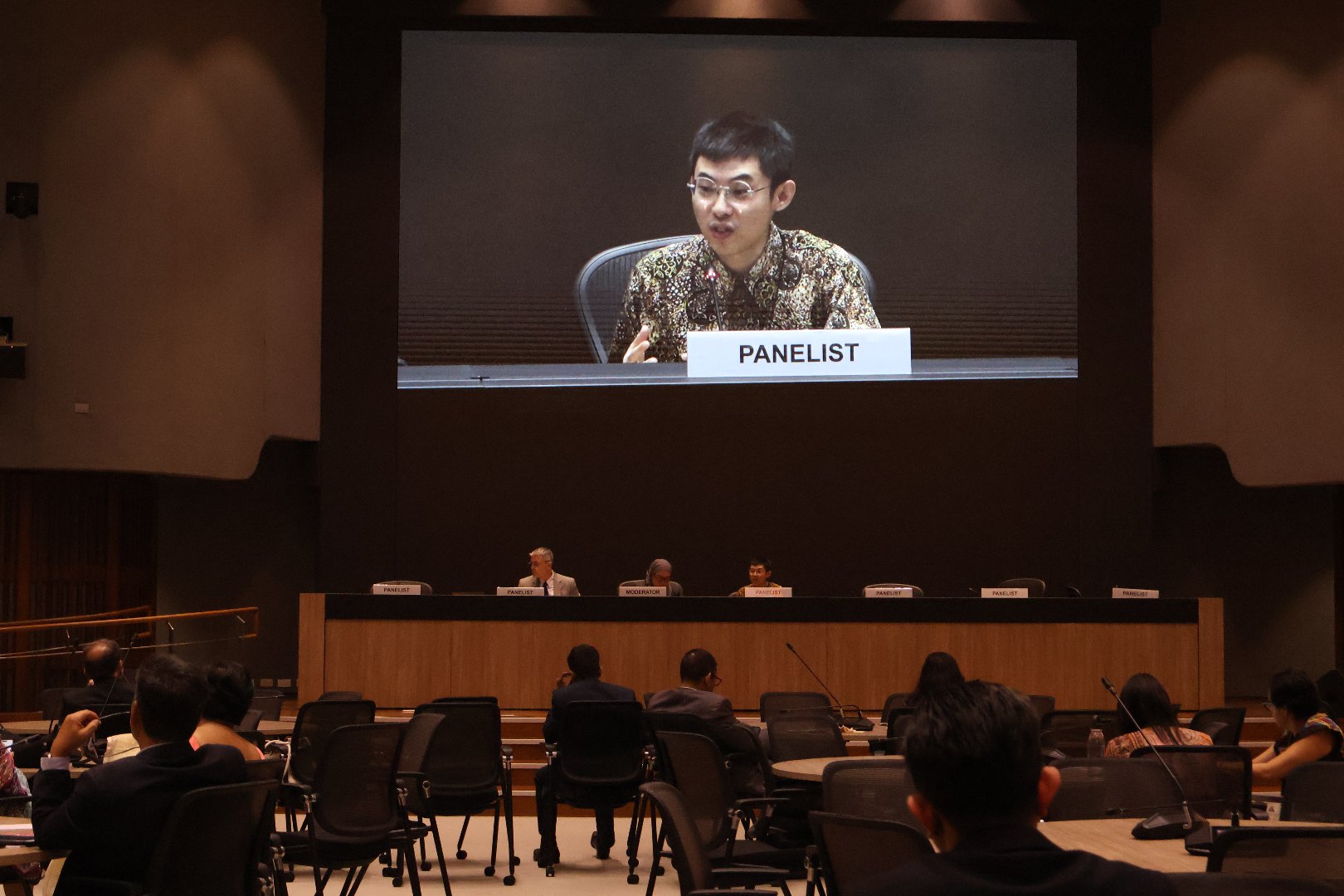
On February 25, 2025, our program officer, was invited to deliver an intervention about meaningful youth engagement in urban governance at the side event on SDG 11 (sustainable cities and communities). He was asked about how Youth, especially those from marginalized communities, are often excluded from decision-making. What does meaningful youth engagement in urban governance look like in practice, and how can it move beyond consultation to real co-creation and shared accountability.
At the event, he spoke as a youth representative and started the conversation in a powerful real-life story. He shared the experience of “Jessica,” a young woman living in an informal settlement in a fast-growing city. Without residency documents, she struggled to access housing support. When she sought healthcare, she faced stigma for working as sex worker and discrimination for living with HIV. Her story was a reminder that while cities may look modern and progressive on the surface, many young people are still pushed to the margins.
He emphasized that urban development must start with the lived realities of people like Jessica. Buildings, transport systems, and policies may look impressive on paper, but without meaningful youth participation, they often fail those who need them most. Then, he called for moving beyond tokenistic consultation toward true co-creation, where young people and marginalized communities help design the systems meant to serve them.
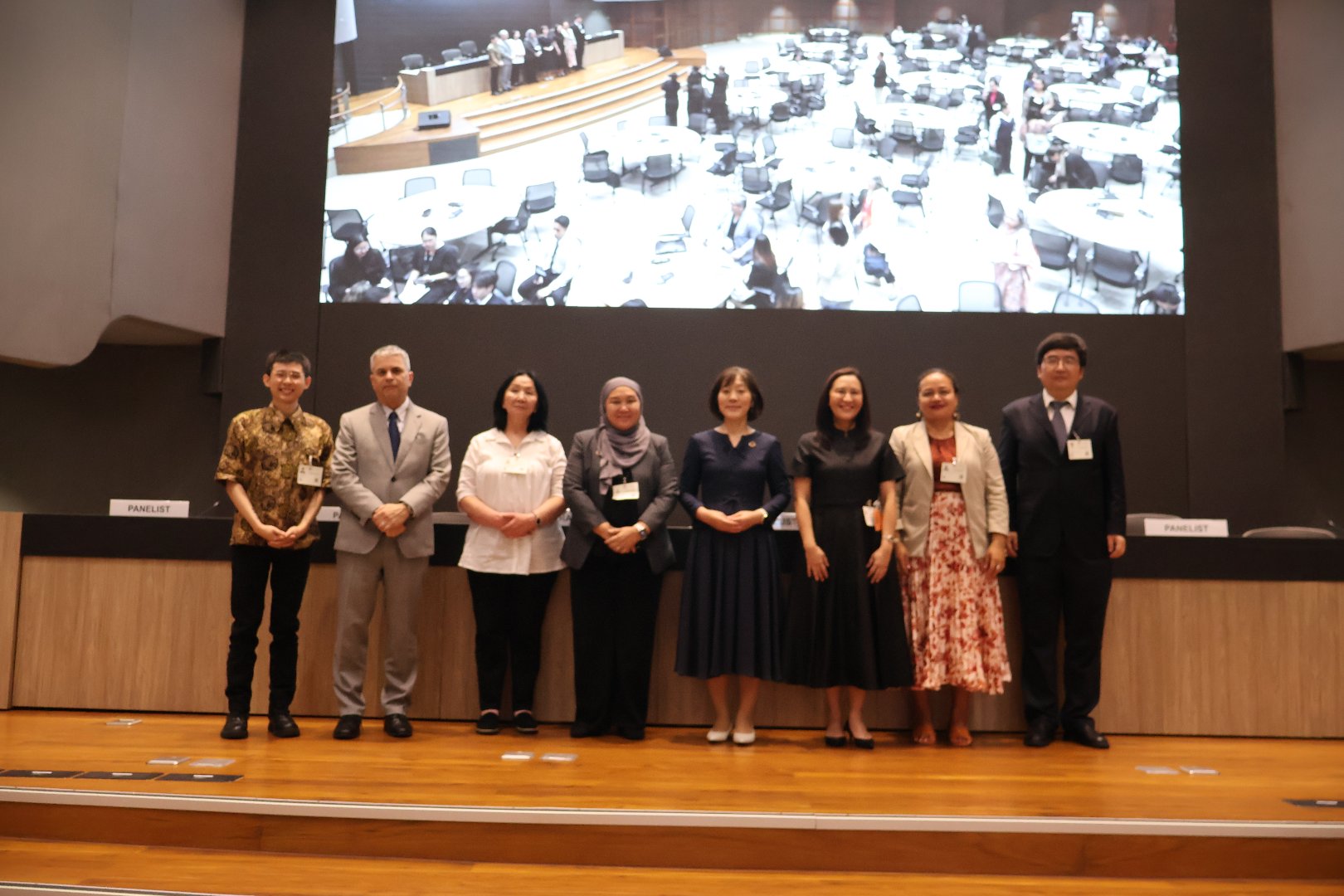
He also stressed the importance of shared power, fair budgeting, and community-led accountability to ensure resources reach those most affected. Government must create the spaces and resources which are essential to maximize youth potential through funding youth-led innovation. He closed by reminding participants that sustainable cities are not defined by infrastructure alone, but by whether they uphold human rights, dignity, and equality by ensuring that no one is left behind. The SDG 11 can only be achieved through multisectoral collaborations with all stakeholders to create a concrete urban governance-socially, financially, and strucurally as well as systematically for youth engagement.
Tan Fok Jun (Jeremy), Program Officer